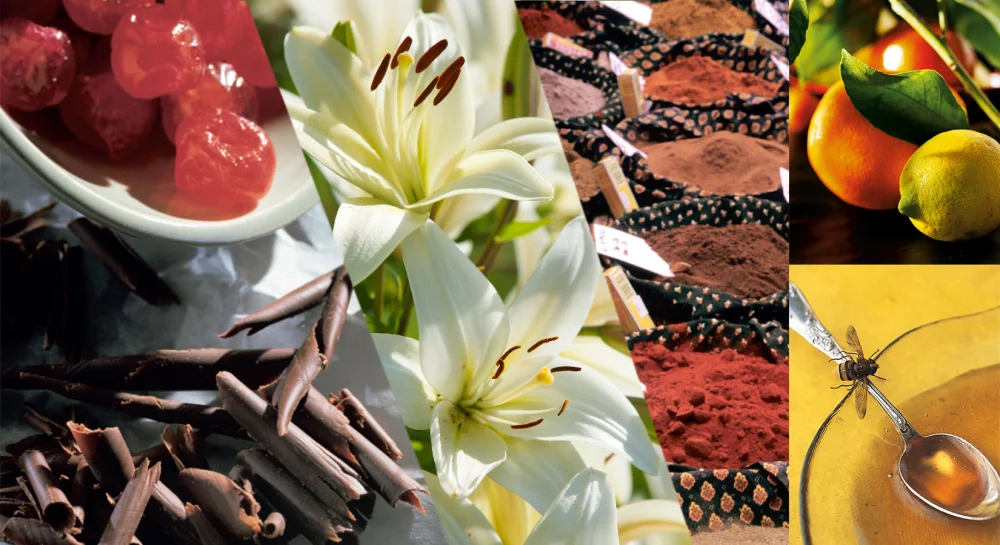
There are various compounds contributing to the aroma of wine. Volatile compounds play a crucial role in determining the smell and overall aroma. These compounds, characterized by low molecular weight, may not always possess an odor. Their concentrations vary significantly, and below a certain threshold, the molecule may seem undetectable due to the detection threshold, which is the minimum concentration for detection. Interactions between molecules can also influence their perception.
Volatile aromas are categorized as primary aromas (varietal), secondary aromas (fermentation), tertiary aromas (aging), and alterations in the wine.
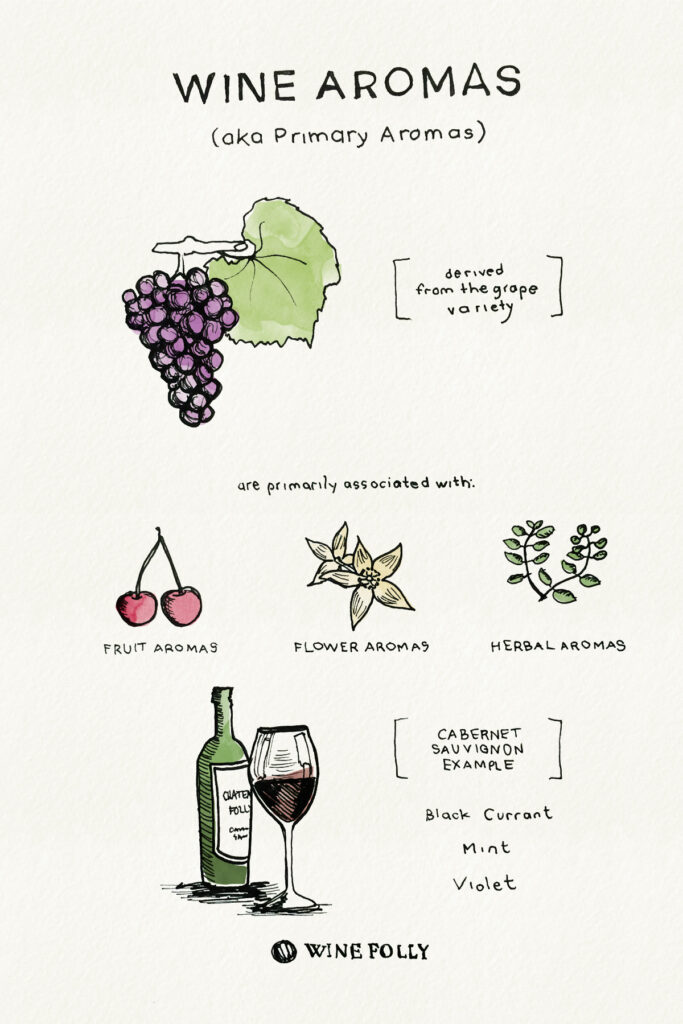
The varietal aroma, derived from the grape, imparts typicality and character to the wine. This aroma is closely linked to the grape’s origin, terroir, and the climate of the vineyard. Additionally, viticultural practices and the environment influence it. Planting conditions, soil, climate, and terroir all contribute to variations in the volatile compounds present in the wine. The expression of a grape variety differs based on the region of cultivation, emphasizing the importance of pedoclimatic conditions and human decisions. For instance, the choice of the harvest date significantly impacts the varietal aroma, particularly noticeable in expressive and variable grapes like Sauvignon Blanc. In the cellar, there are also possibilities to vary the concentration and even the appearance or disappearance of molecules.
In the primary/varietal volatile compounds, we find terpene compounds, C13-norisoprenoid derivatives, odorous volatile thiols, methoxy-pyrazines (vegetal characters), and the aroma of non-Vitis vinifera (hybrids with some specific aromas).
The fermentation aroma is produced during vinification. It is linked to specific properties of yeasts and lactic acid bacteria if malolactic fermentation (MLF) takes place. The fermentation aroma will have a certain variability depending on the conditions in which the fermentations are carried out. If we place a yeast strain in two different conditions, we will end up with a different wine. Therefore it depends on the composition of the must (concentration of sugars, nitrogen, etc.), the physicochemical conditions, the fermentation environment, and the technical choices (such as temperature). These are variables that modify the fermentation aromas therefore depending on the decisions made, the expression of the wine will be different.
For example, early wines like Beaujolais have fermentation aromas (isoamyl acetate = banana aroma). There is a strong use of certain oenological practices and techniques, such as carbonic maceration, thermovinification, or fermentation at low temperatures. There is an influence of strain effect (the strain of yeast or strain of lactic bacteria) on the composition of fermentation aromas. Also, the fermentation temperature promotes or slows down the reactions. As the temperature rises, the synthesis of alcohols increases, whereas the synthesis of esters decreases. When the temperature decreases, less alcohol and more esters are synthesized.
Malolactic fermentation allows the transformation of malic acid into lactic acid, with a low release of CO2. As a result of MLF, the wine gets a softer texture with a decrease in total acidity and the sensory properties of the wine are improved. An increase in fruity aromas and a decrease in intense herbaceous aromas have been found in wines that have undergone MLF as a result of the studies. However, under uncontrolled conditions, MLF may have adverse effects, including the degradation of citric acid, leading to the production of acetic acid (volatile acidity) and diacetyl (buttery aroma).
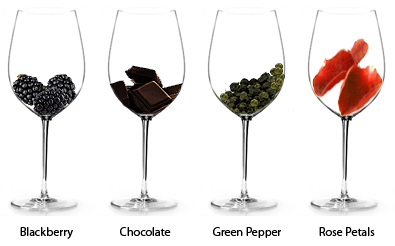
The tertiary aroma is associated with the aging process. Following fermentation, the wine undergoes aging in vats, bottles, or oak barrels, leading to aromatic transformations. These aromas are linked to oxidation-reduction phenomena. The exposure of the wine to varying amounts of oxygen during the aging period, along with the choice of storage container, results in the revelation of different aromatic molecules.
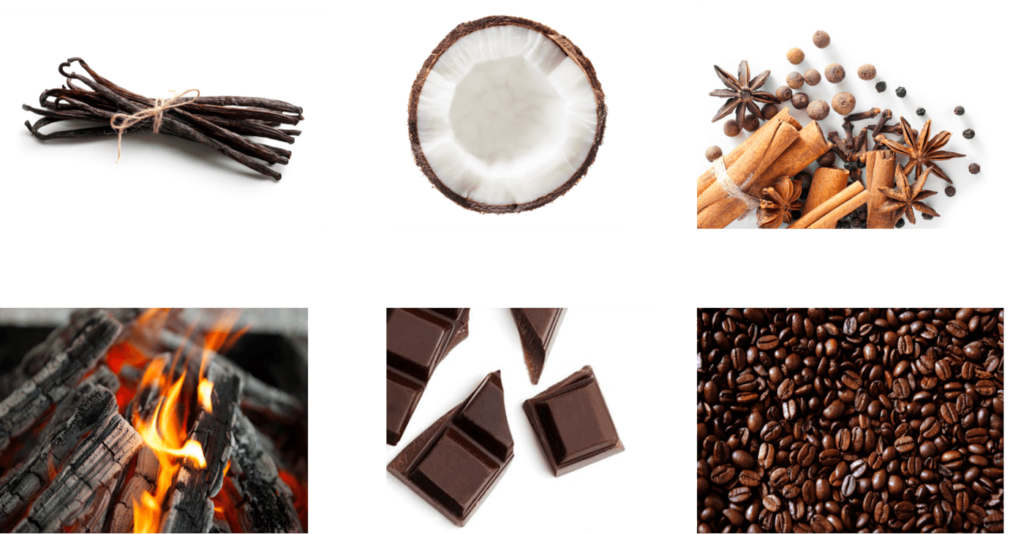
Oak, particularly when used as a container during aging, serves as a source of aromatic influence. Wines aged in barrels exhibit distinctive notes of wood, toast, and vanilla, reflecting the impact of the oak on the final aromatic profile.
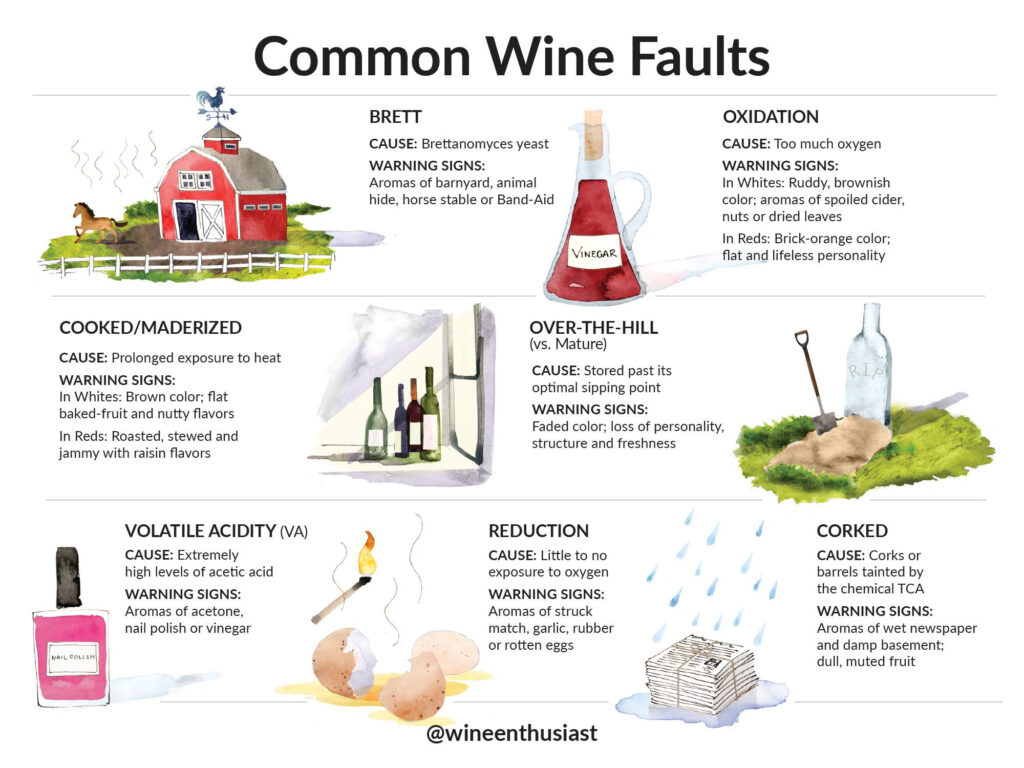
In the aromatic defects of wine, there are microbial alterations (non-Saccharomyces yeasts, acetic bacteria, lactic acid bacteria, etc.), exogenous contaminations (residues of pesticides, problems of the winery, etc.), and defects in the bottle (spontaneous reduction, premature aging, cork taint, etc.).